Table of Contents
- Best Hypoallergenic Dog Shampoo for Itchy Skin: Quick Comparison
- How We Evaluated These Shampoos
- 1. Elanco Relief Shampoo with Pramoxine & Colloidal Oatmeal: Best Overall
- 2. Douxo S3 CALM Soothing Itchy, Hydrated Skin Shampoo: Best for Hydration
- 3. Earthbath Oatmeal & Aloe Shampoo: Best Gentle Formula
- 4. Davis Hypoallergenic Shampoo: Best Fragrance-Free Option
- 5. TropiClean OxyMed: Best for Frequent Bathing
- 6. SPA Ultra-Safe Itch Relief Dog Shampoo: Best Budget Itch Relief
- How Often Should You Bathe a Dog With Itchy Skin?
- Hypoallergenic Dog Shampoo Ingredients to Look For
- When Itching Needs a Vet, Not a New Shampoo
- Frequently Asked Questions
Last Updated: October 13, 2026
Best Hypoallergenic Dog Shampoo for Itchy Skin: Quick Comparison
Finding the best hypoallergenic dog shampoo for itchy skin starts with one hard truth: no single bottle fixes every dog. A shampoo can calm surface irritation while doing nothing for an underlying allergy, and the wrong formula can leave your dog drier and itchier than before. We built this comparison around ingredient transparency, not marketing claims.
Below, we break down six shampoos worth considering and flag the point where a vet visit matters more than a product swap.
| Shampoo | Starting Price | Key Ingredients | Best For |
|---|---|---|---|
| Elanco Relief | $18.99 | Pramoxine, colloidal oatmeal | Overall itch relief |
| Douxo S3 CALM | $25 | Soothing, hydrating blend | Dry, irritated skin |
| Earthbath Oatmeal & Aloe | Not stated | Oatmeal, aloe, vitamin E | Sensitive skin |
| Davis Hypoallergenic | Not stated | Fragrance-, soap-, sulfate-free | Reactive skin |
| TropiClean OxyMed | Not stated | Not specified | Frequent bathing |
| SPA Ultra-Safe | $20.99 | Not specified | Budget itch relief |
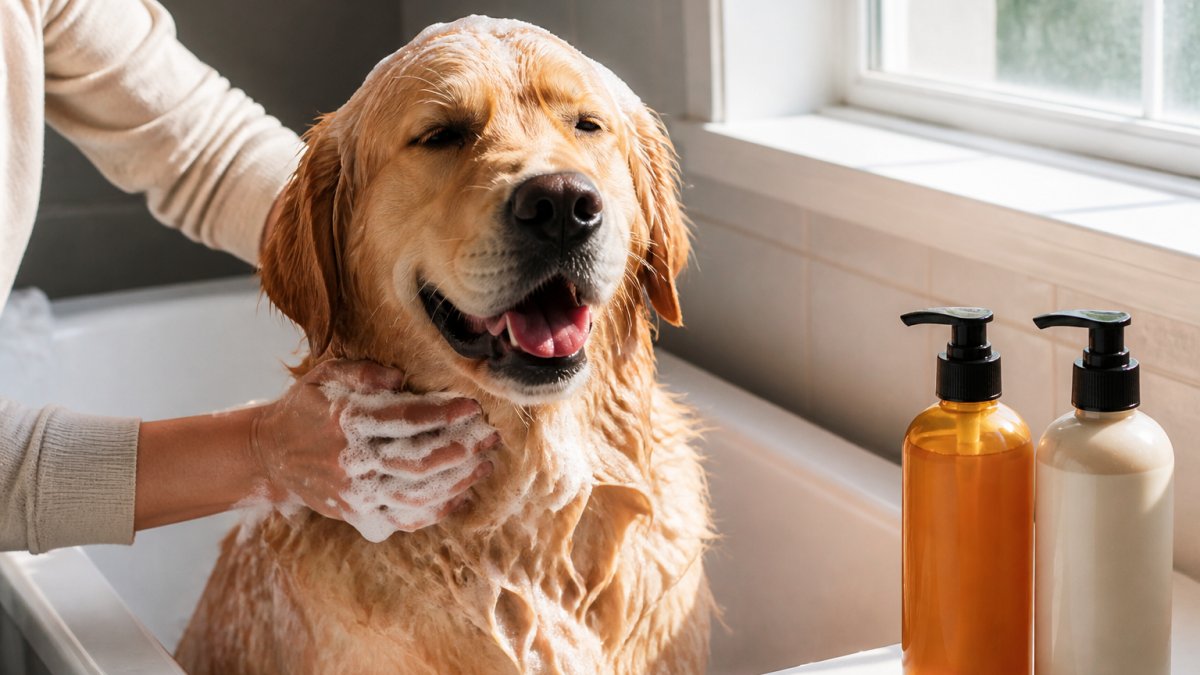
A hypoallergenic dog shampoo is a formula built to minimize common irritants such as fragrance, dyes, and harsh soaps while still cleansing and soothing the skin. It reduces the odds of a reaction, but it cannot treat an allergy that starts inside the body.
How We Evaluated These Shampoos
We ranked each option on four factors: ingredient transparency, suitability for sensitive or itchy skin, whether the formula strips the skin barrier, and price where a retailer listed one. Chewy's itchy-skin shampoo guide and PetMD's vet-reviewed roundup informed several picks.
Two things shaped our judgment. First, a soothing ingredient like oatmeal or aloe calms irritation but does not treat infection or allergy. Second, a short, fragrance-free ingredient list usually beats a long "natural" one for reactive dogs.
PetMD's vet-reviewed guide to dog shampoos
1. Elanco Relief Shampoo with Pramoxine & Colloidal Oatmeal: Best Overall
Elanco Relief earns our top spot because it pairs two ingredients with clear roles: pramoxine to ease the itch signal and colloidal oatmeal to soothe irritated skin. Chewy named it the best overall pick in its itchy-skin shampoo guide.
Pros: Two named active ingredients; strong third-party recommendation. Cons: The available information does not include a full ingredient list or bathing directions.
2. Douxo S3 CALM Soothing Itchy, Hydrated Skin Shampoo: Best for Hydration
Douxo S3 CALM is the pick for dogs with dry, flaky, or red skin, because it is explicitly described as hypoallergenic and built around soothing and hydration, a combination that matters when itching stems from a compromised skin barrier. It is the most expensive option here, and PetMD's vet-reviewed roundup includes it.
Pros: Described as hypoallergenic; focuses on both soothing and hydration. Cons: No full ingredient list or product size is provided.
3. Earthbath Oatmeal & Aloe Shampoo: Best Gentle Formula
Earthbath Oatmeal & Aloe is our gentle pick for sensitive skin, combining oatmeal, aloe vera, and vitamin E, three ingredients commonly chosen to soothe, moisturize, and support the skin barrier without aggressive cleansing. Its ingredient list is one of the more transparent among the picks we reviewed.
Pros: Several named soothing ingredients; recommended for sensitive skin. Cons: No price or complete specifications were provided.
4. Davis Hypoallergenic Shampoo: Best Fragrance-Free Option
Davis Hypoallergenic is the safest starting point if you suspect fragrance or preservatives are the problem. It is described as free of fragrance, dye, soap, and sulfates, removing several common irritants in one formula.
For dogs with a known sensitivity, that short exclusion list is worth more than any single soothing ingredient.
Pros: Excludes fragrance, dye, soap, and sulfates; positioned as a default hypoallergenic pick. Cons: No price, size, or full ingredient list was provided.
5. TropiClean OxyMed: Best for Frequent Bathing
TropiClean OxyMed is our recommendation for dogs that need regular baths, such as those on a vet-directed bathing schedule, and is specifically identified for frequent bathing.
Bathing often strips natural oils, so a formula meant for repeat use matters if your dog needs washing more than once a month.
Pros: Identified for frequent bathing; included in a sensitive-skin comparison. Cons: Ingredients, price, and bathing directions were not provided.
6. SPA Ultra-Safe Itch Relief Dog Shampoo: Best Budget Itch Relief
SPA Ultra-Safe covers the itch-relief basics. Where it falls short is transparency: ingredients, size, and hypoallergenic status are not specified, so it suits owners willing to check the label themselves.
Pros: Clear itch-relief purpose; a price is provided. Cons: Ingredients, size, and hypoallergenic status are not specified.

How Often Should You Bathe a Dog With Itchy Skin?
Most dogs with itchy skin do best on a schedule of every one to two weeks using a gentle, soap-free formula, though your veterinarian's guidance should override any general rule. Bathing too often strips the skin barrier; too rarely lets allergens, yeast, and bacteria build up. Dogs on a vet-directed medicated protocol are often bathed two to three times per week for the first two weeks, then tapered, never improvised at home.
A practical routine looks like this:
- Brush first. Loosen dander, dead hair, and surface allergens before water hits the coat; a five-minute brushing removes more allergen load than an extra rinse.
- Patch test 24 hours ahead. Apply a small amount to the inner thigh or behind the ear and watch for redness, swelling, or new scratching. This is the single cheapest way to avoid a full-body reaction.
- Dilute before applying. Most concentrated shampoos are labeled for dilution, commonly one part shampoo to five to ten parts lukewarm water. Concentrate applied directly can irritate skin.
- Use lukewarm water, never hot. Hot water strips lipids from the stratum corneum and amplifies itching within hours of the bath.
- Respect contact time. Soothing ingredients need 5 to 10 minutes of contact; medicated actives often need 10 per the label. Rinsing early is the most common reason a "good" shampoo seems to do nothing.
- Keep it out of eyes and ears. Use a damp washcloth on the face and a cotton ball in each ear canal. Never pour water or shampoo directly into the ear, trapped moisture is a common trigger for otitis.
- Rinse until the water runs clear, then rinse another 30 seconds. Residue left in the coat is a frequent cause of post-bath itching and dull coat.
- Follow with a pet-safe conditioner or moisturizer if the coat feels dry or the skin looks tight.
- Dry thoroughly, especially in skin folds. Facial folds, armpits, and groin are where moisture lingers and hot spots and yeast infections begin. A cool-setting blow dryer on low, plus a towel, beats air drying.
If itching worsens within 24 to 48 hours of a bath rather than easing, the shampoo is likely not the right fit, or the dog has an underlying condition it cannot reach. Stop the product, note the date and symptoms, and bring that log to your veterinarian.
Hypoallergenic Dog Shampoo Ingredients to Look For
The ingredient list separates a genuinely gentle formula from a marketing claim. Prioritize oatmeal, aloe vera, and vitamin E for soothing and moisturizing, and favor soap-free, fragrance-free formulas.
| Ingredient | What It Does | Watch For |
|---|---|---|
| Colloidal oatmeal | Soothes and calms irritated skin | Added fragrance in the same bottle |
| Aloe vera | Moisturizes and hydrates | Reactions in rare cases |
| Vitamin E | Supports the skin barrier | Mostly a supporting role |
| Pramoxine | Relieves the itch sensation | Intended for short-term relief |
| Antifungal/antibacterial agents | Address infection | Best used under vet guidance |
Medicated shampoos with antifungal or antibacterial ingredients treat specific conditions and belong in a vet's plan. For everyday itch relief, a hypoallergenic formula with soothing ingredients is the safer default.
FDA guidance on pet products and animal health
When Itching Needs a Vet, Not a New Shampoo
A shampoo change is the wrong move when itching comes with hair loss, open sores, foul odor, thickened or darkened skin, or relentless scratching that disrupts sleep. Those signs point to a condition a wash cannot resolve, and the sooner it is diagnosed, the less damage the dog does to its own skin. The pattern of itching often points to the cause:
- Environmental allergies (atopic dermatitis). Itching that flares with season, pollen, dust mites, or time outdoors, often affecting paws, ears, armpits, and groin. Shampoo can remove surface allergens and soothe, but it does not change the immune response.
- Food allergy or sensitivity. Year-round itching, often with gastrointestinal signs such as soft stool, gas, or intermittent vomiting. Diagnosis requires a veterinarian-guided elimination diet, not a shampoo or an at-home food swap.
- Parasites. Fleas, sarcoptic mange, Demodex, and Cheyletiella all cause intense itching. Flea allergy dermatitis concentrates on the lower back, tail base, and hind legs. Some parasites are zoonotic, so prompt diagnosis protects the household too.
- Bacterial or yeast infection. Foul odor, greasy or crusted skin, red-brown staining, and head shaking are common. Infections frequently ride along with allergies and need targeted treatment, a soothing shampoo alone will not clear them.
- Endocrine or systemic disease. Hypothyroidism and Cushing's disease can cause symmetrical hair loss, thin skin, and chronic itching or recurrent infections. These require bloodwork, not grooming products.
A veterinarian can sort environmental, food-related, parasitic, infectious, and systemic causes apart with a physical exam, skin scrapings, cytology, and, when indicated, allergy testing or bloodwork. Shampoo then becomes one part of a treatment plan.
Book the appointment if any of these apply:
- Itching has lasted more than two weeks with no improvement from a gentle, fragrance-free shampoo.
- Your dog is scratching to the point of bleeding, losing sleep, or losing appetite.
- You see hair loss, scabs, crusts, a foul smell, or thickened, darkened skin.
- The itching is seasonal and returns every year at the same time.
- Multiple pets in the home are itchy at once, that pattern suggests parasites or an environmental trigger.
- Your dog is on a medicated shampoo and is not improving after the full course on the label.
Frequently Asked Questions
What dog shampoo helps with itching?
Shampoos with colloidal oatmeal, pramoxine, or aloe vera can soothe itchy skin. Elanco Relief Shampoo combines pramoxine and colloidal oatmeal and was named Chewy's best overall pick. Douxo S3 CALM is described as hypoallergenic and targets itchy, irritated skin. Always check the ingredient list and avoid fragrances or dyes that may worsen irritation.
How often can I bathe a dog with itchy skin?
Most dogs with itchy skin can be bathed every 1 to 2 weeks, but frequency depends on the shampoo and your vet's advice. Medicated shampoos often require specific contact times and schedules. TropiClean OxyMed is specifically recommended for frequent bathing. Over-bathing can dry out the skin, so follow label directions and monitor your dog's coat and skin condition.
What do vets recommend for dogs with allergies?
Vets often recommend hypoallergenic or medicated shampoos tailored to the dog's specific skin condition. For allergies, they may suggest shampoos with oatmeal, aloe, or pramoxine for soothing relief. If a bacterial or fungal infection is present, a medicated shampoo may be prescribed. Always consult your veterinarian for a proper diagnosis before choosing a shampoo.
What is the best anti-allergy shampoo for dogs?
The best anti-allergy shampoo depends on your dog's sensitivity. Davis Hypoallergenic Shampoo is fragrance-free, dye-free, soap-free, and sulfate-free, making it a strong choice for allergic dogs. Look for limited ingredients and avoid common irritants like synthetic fragrances and preservatives.
How do I choose a hypoallergenic shampoo for a dog with itchy skin?
Start by checking the ingredient list for soothing agents like oatmeal, aloe vera, and vitamin E. Avoid fragrances, dyes, sulfates, and soap. Consider your dog's coat type and whether the itching is from allergies or a skin condition. If itching persists, see a vet. Products like Douxo S3 CALM and Davis Hypoallergenic Shampoo are formulated for sensitive skin and can be good starting points.