Table of Contents
- What Makes Pet Health Supplies High-Quality
- Veterinary-Approved Pet Health Products: What to Look For
- Essential Categories of Pet Health Supplies
- Pet Wellness Essentials Checklist for Every Owner
- How to Choose Safe Pet Supplements
- Quality vs. Budget: What's Worth the Investment
- Where to Source Reliable Pet Health Supplies
- Conclusion
Last Updated: August 22, 2026
What Makes Pet Health Supplies High-Quality
High-quality pet health supplies are formulated with active ingredients at therapeutic levels, list exact dosages and sourcing information, and undergo third-party verification. They address root causes, not just symptoms. Generic products often use cheaper alternatives with lower bioavailability, meaning they fail to achieve therapeutic levels in your pet's bloodstream.
Quality also means consistency. Veterinary-approved products are manufactured under strict protocols, ensuring every batch meets the same standards. Budget alternatives vary in potency between production runs, making dosing unreliable.
Veterinary-Approved Pet Health Products: What to Look For
When evaluating veterinary-approved pet health products, focus on five specific criteria.
First, examine the active ingredients list. Quality products specify exact percentages and chemical forms. For example, "glucosamine hydrochloride 500mg" rather than just "glucosamine blend." Different forms have different bioavailability rates and tolerability profiles.
Second, look for third-party testing verification. Seals from organizations like USP (United States Pharmacopeia) indicate the product has been tested for strength, quality, and purity. This verification costs manufacturers money, which is why budget products rarely carry it.
Third, check the dosage guidance. Quality supplies include clear instructions based on weight, age, and condition, and specify how long results typically take, usually 3-6 weeks for therapeutic supplements.
Fourth, examine source transparency. Where do active ingredients come from? Companies investing in quality disclose their sourcing because ingredient origin affects final product quality.
Fifth, verify regulatory compliance. Pet supplements in the United States are regulated by the FDA under specific guidelines. FDA regulations for animal health products establish baseline safety requirements, though quality products exceed these minimums.
Essential Categories of Pet Health Supplies
Parasite Control and Prevention
Parasites represent one of the most common health threats to pets. Preventative parasite control is far more effective than treating infestations after they develop.
Quality parasite control products use active ingredients proven to break the parasite lifecycle through multiple mechanisms: killing adult parasites, preventing egg development, and blocking reproduction. The best formulations address multiple lifecycle stages simultaneously.
Topical treatments remain the most popular category. Quality formulations absorb into the skin and distribute across the body, creating a protective barrier. Budget versions often stay on the surface, reducing efficacy.
Oral parasite prevention offers easier administration and more reliable dosing. Prescription-strength oral treatments offer the highest efficacy, though quality over-the-counter options also exist.

Nutritional Supplements and Wellness Support
Nutritional supplements fill gaps in commercial pet food and support specific health concerns. Unlike medications, supplements work through nutritional mechanisms rather than pharmaceutical action.
Joint health supplements represent the largest category. Glucosamine, chondroitin, and MSM support cartilage integrity and reduce inflammation. Quality formulations combine multiple ingredients because they work synergistically; glucosamine alone is less effective than glucosamine with chondroitin.
Omega-3 supplements support skin, coat, cognitive function, and immune health. Quality supplements verify that omega-3 levels match label claims through third-party testing.
Digestive health supplements contain probiotics and enzymes that support gut function. Quality products specify the probiotic strains included and guarantee viable cultures at the time of use.
Immune support supplements typically combine antioxidants, vitamins, and herbs based on clinical research rather than marketing trends.
First Aid and Clinical Supplies
Quality first aid supplies include sterile gauze, antiseptic solutions, and antibiotic ointments formulated for animal use. Human wound care products aren't appropriate for pets because they may contain ingredients toxic if licked.
Bandaging supplies need to balance protection with breathability. Quality supplies include instructions for proper application and clear indicators of when bandages need replacement.
A quality pet first aid kit includes items for common situations: bleeding, choking, poisoning, and trauma.
Pet Wellness Essentials Checklist for Every Owner
Building a comprehensive pet health toolkit ensures you're prepared for routine care and minor health issues.

Preventative Care Supplies:
- Veterinary-approved parasite prevention (current for the season)
- Vaccination records and booster reminders
- Dental care supplies (toothbrush, enzymatic toothpaste)
- Nail care tools (clippers or grinders)
- Grooming supplies appropriate for coat type
Nutritional Support:
- High-quality base diet meeting AAFCO standards
- Joint support supplement if pet is over 5 years or large breed
- Omega-3 supplement for skin and coat health
- Probiotic supplement if pet has digestive sensitivity
- Age-appropriate vitamin formulation if recommended by veterinarian
First Aid and Emergency:
- Sterile gauze and bandaging materials
- Veterinary-approved antiseptic solution
- Antibiotic ointment formulated for animals
- Tweezers for splinter removal
- Thermometer (rectal for accurate temperature)
- Emergency contact information and veterinary records
Health Monitoring:
- Grooming supplies that allow regular skin inspection
- Weight tracking method (scale or veterinary weigh-ins)
- Allergy tracking system (food diary if applicable)
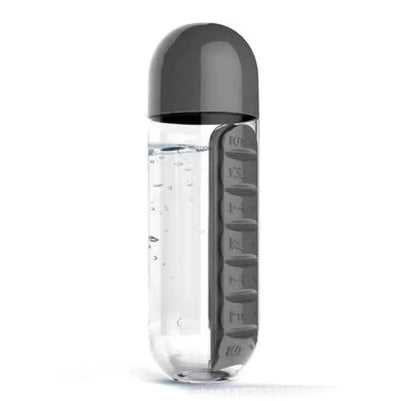
- Medication storage system with dosing schedule
Condition-Specific Supplies:
- Supplements or medications for diagnosed conditions
- Mobility aids if pet has joint issues (ramps, orthopedic bed)
- Specialized diet if recommended for health management
- Wound care supplies if pet has chronic skin issues
Start with preventative care supplies, then add nutritional support based on your pet's age and health status.
How to Choose Safe Pet Supplements
Safety in pet supplements starts with understanding regulatory oversight. The FDA regulates pet supplements less stringently than medications, which means manufacturers bear more responsibility for safety claims. [FDA guidance on dietary supplements for(/collections/dogs) animals | fda.gov] provides baseline standards, but quality manufacturers exceed these minimums.
Check the manufacturer's quality assurance practices. Quality companies maintain detailed records of ingredient sourcing, manufacturing conditions, and testing results and are willing to provide this information upon request.
Look for products that specify which ingredients are active versus fillers or carriers. A supplement listing "proprietary blend" without individual ingredient amounts is hiding information.
Consider the pet's specific needs rather than buying broad-spectrum supplements. Targeted supplementation based on actual health status is more effective than generic wellness blends.
Introduce supplements gradually. Start with half the recommended dose and increase over a week. Watch for adverse reactions: vomiting, diarrhea, lethargy, or loss of appetite. If these occur, discontinue and consult your veterinarian.
Quality vs. Budget: What's Worth the Investment
Parasite prevention deserves premium investment. The consequences of infestation, disease transmission, secondary infections, veterinary bills, far exceed the cost difference between budget and quality prevention.
Joint supplements for senior pets warrant quality investment. An effective supplement significantly improves quality of life for a pet with arthritis. Budget supplements with low active ingredient concentrations provide minimal relief.
Wound care supplies should prioritize quality. Improper wound care leads to infection, which requires veterinary treatment and antibiotics. Invest in veterinary-formulated products designed specifically for animal wounds.
Grooming supplies can often be budget-friendly without quality loss. A basic brush, nail clipper, or ear cleaning solution performs the same function regardless of brand.
Dietary supplements for healthy pets can be more flexible. As pets age or develop health issues, upgrading to quality supplements becomes more valuable.
The investment strategy: allocate premium budget to categories where quality directly impacts health outcomes (parasite prevention, therapeutic supplements, wound care). Use budget options for categories where function is straightforward (basic grooming, storage, general supplies).
Where to Source Reliable Pet Health Supplies
Veterinary clinics remain one of the most reliable sources. Products sold through veterinary practices have been vetted by the veterinarian, and you have direct access to professional guidance.
Specialized pet health retailers focus specifically on quality supplies rather than general pet products. WellnessLifeClub74 operates in this space, curating quality pet health supplies rather than stocking everything available.
Direct manufacturer websites offer another reliable option. Companies that manufacture quality supplements often sell directly to consumers, sometimes at better prices than retail intermediaries.
Online marketplaces require careful evaluation. Look for items with detailed ingredient information, third-party testing verification, and reviews from veterinarians or pet health professionals.
When evaluating any source, consider: Do they provide detailed product information? Can you access the manufacturer's Certificate of Analysis? Do they offer customer support? Are prices competitive but not suspiciously low? Does the retailer have a clear return policy?
Conclusion
Investing in quality pet health supplies is investing in your pet's long-term wellness. The difference shows up in health outcomes: fewer infections, better parasite control, improved mobility, and stronger immune function.
WellnessLifeClub74 simplifies this process by curating pet health supplies that meet clinical standards. Rather than sorting through thousands of options, you get a curated selection of items that actually deliver results. Shop our pet health supplies collection and experience the difference that quality curation makes.
| Category | Quality Investment Level | Best For | Key Consideration |
|---|---|---|---|
| Parasite Prevention | High | All pets | Prevents disease transmission |
| Joint Supplements | High | Senior/large breed pets | Improves mobility and comfort |
| Wound Care | High | All pets | Prevents infection |
| Grooming Supplies | Medium | All pets | Basic function is adequate |
| General Supplements | Medium | Healthy pets | Upgrade based on age/health |
| Storage/Organization | Low | All pets | Function matters, not brand |
Frequently Asked Questions
What are the main differences between veterinary-grade and over-the-counter pet health supplies?
Veterinary-grade products undergo stricter testing, contain higher concentrations of active ingredients, and meet regulatory compliance standards. Over-the-counter options may lack clinical validation or bioavailability data. Veterinary-approved pet health products are formulated based on clinical evidence and dosage accuracy, while standard retail products often prioritize cost over efficacy. Your vet can recommend which category suits your pet's specific health needs.
How do I verify that pet health supplies are actually high-quality and not counterfeit?
Check for regulatory compliance markings, verify the manufacturer's credentials, and look for third-party testing certifications. Quality suppliers provide transparent ingredient sourcing and product efficacy data. Purchase from reputable retailers committed to quality assurance. Request documentation from sellers about their sourcing practices. Counterfeit products often have inconsistent packaging, missing batch numbers, or vague ingredient lists. When in doubt, consult your veterinarian before purchasing unfamiliar brands.
What pet wellness essentials should every owner have at home?
A complete pet wellness essentials checklist includes parasite prevention treatments, joint health supplements for mobility support, first aid supplies, quality food and therapeutic diets, and basic grooming tools. Add immune support supplements, dermatological care products if your pet has skin sensitivity, and vaccination records documentation. Include pet health monitoring tools like a thermometer. Age-specific requirements vary: senior pets need joint support, puppies require developmental nutrition, and pets with chronic illness support need specialized medication management supplies.
Are generic pet supplements as effective as name-brand options?
Effectiveness depends on ingredient transparency, bioavailability, and clinical validation rather than brand recognition. Some generic supplements contain identical active ingredients to premium brands but lack rigorous testing documentation. Name-brand products often invest in research proving product efficacy and sourcing quality. When choosing safe pet supplements, prioritize those with clinical studies backing their claims, clear dosage accuracy guidelines, and third-party verification. Compare ingredient lists directly rather than relying on brand reputation alone.
This article was written using GrandRanker