Table of Contents
- How Facial Cleansing Brushes Work and Why People Use Them
- Real Benefits: What Facial Cleansing Brushes Actually Deliver
- The Downsides: Risks of Over-Exfoliation and Skin Damage
- Facial Brush vs Manual Cleansing: Which Approach Wins?
- How to Clean Your Facial Cleansing Brush Properly
- Signs of Over-Exfoliation From Brushes and When to Stop
- Is the Investment Worth It? A Practical Verdict
Last Updated: August 27, 2026
How Facial Cleansing Brushes Work and Why People Use Them
A facial cleansing brush is a handheld device that uses oscillating or sonic vibrations to remove dead skin cells, sebum, and makeup residue more effectively than manual cleansing alone. These brushes typically feature soft silicone touchpoints or synthetic bristles that vibrate at high frequencies, often between 300 and 3,000 oscillations per minute, to create mechanical exfoliation without the harshness of traditional scrubs (peer-reviewed research).
The appeal is straightforward: deeper cleansing in less time. Most people reach for a facial cleansing brush expecting it to deliver visibly clearer skin, reduced pore congestion, and a smoother texture. The vibration mimics the motion of manual cleansing but with far more consistency and intensity than human hands can achieve. This is why dermatologists acknowledge that mechanical exfoliation can improve skin turnover when used correctly.
However, here's where most people get it wrong. They assume "more vibration equals better results." That's not how skin works. A facial cleansing brush is a tool, a powerful one, but like any powerful tool, misuse causes damage. The real question isn't whether these brushes work. It's whether they work for your skin without compromising your skin barrier in the process.
At WellnessLifeClub74, we've curated a selection of facial cleansing tools precisely because this question matters. Our customers ask constantly: Is this investment actually worth it? The answer depends entirely on how you use it and whether your skin can handle it.
Real Benefits: What Facial Cleansing Brushes Actually Deliver
Facial cleansing brushes excel at one specific task: removing surface-level buildup that manual cleansing misses. Dead skin cells, sebum, and makeup particles sit in pores and on the stratum corneum. A brush with proper oscillation can dislodge this debris more thoroughly than fingers or a washcloth ever could.
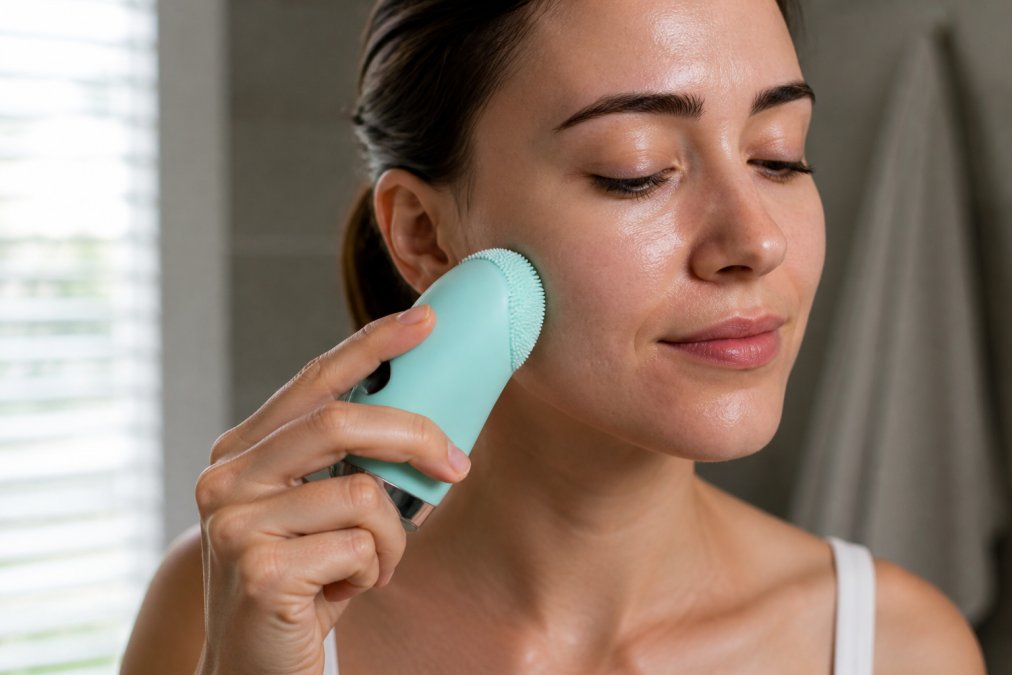
The most honest benefit is improved makeup removal. If you wear foundation, concealer, or powder daily, a cleansing brush reduces the effort required to get a truly clean canvas. Many users report that their evening cleanse takes half the time and feels more thorough. This matters because incomplete makeup removal is genuinely problematic, it clogs pores and accelerates skin aging.
For acne-prone skin, a gentle brush can help prevent bacterial buildup in congested areas. The mechanical action increases blood circulation and lymphatic drainage in the face, which some dermatologists suggest supports the skin's natural healing processes (the American Academy of Dermatology). However, and this is critical, this benefit only applies if you're using the brush at the right frequency and with appropriate pressure.
Skin texture improvement is real but modest. You won't see dramatic changes in pore size (pores don't actually shrink), but consistent use can create a smoother surface by removing the dead skin layer that makes skin look dull. This is mechanical exfoliation working as intended: revealing fresher skin beneath.
The convenience factor shouldn't be dismissed. A two-minute routine with a brush often delivers cleaner skin than a five-minute manual routine. For busy people, this is genuinely valuable. It's not transformative, but it's real.
The Downsides: Risks of Over-Exfoliation and Skin Damage
This is where most marketing material goes silent. A facial cleansing brush is an exfoliating tool, and exfoliation, even gentle exfoliation, damages skin when overdone.
Your skin barrier is a lipid-rich layer that protects against irritants and water loss (peer-reviewed research). Every time you exfoliate, you're temporarily compromising that barrier. Manual exfoliation once or twice weekly? Most skin can handle that. Daily mechanical exfoliation with a brush? That's aggressive, and it shows.
Over-exfoliation from brushes manifests in specific ways. Your skin becomes increasingly sensitive to products it previously tolerated. Redness appears, especially around the cheeks and forehead. You might develop a persistent tight feeling or mild burning when applying actives like retinoids or vitamin C. Some people experience increased breakouts because the compromised barrier allows bacteria deeper penetration. These aren't rare side effects, they're common consequences of using a brush too frequently or with too much pressure.
The stratum corneum, your skin's outermost protective layer, thins with repeated mechanical damage. This isn't immediately visible, but the long-term consequence is significant: your skin becomes dependent on intensive moisturizing, more reactive to environmental stressors, and genuinely more fragile. You've essentially accelerated aging in pursuit of immediate cleanliness.
Sensitive skin and conditions like rosacea or eczema are particularly vulnerable. A brush that feels gentle to normal skin can trigger flare-ups in sensitive skin within days. The vibration itself, even at low intensity, may be too stimulating for compromised barriers.
There's also the issue of inconsistent pressure. Most people press too hard, thinking more pressure equals better cleansing. In reality, the brush does the work, your job is to guide it gently. Pressing hard accelerates barrier damage and increases irritation risk substantially.
Facial Brush vs Manual Cleansing: Which Approach Wins?
The honest answer: it depends on your skin type and discipline.
For normal to oily skin without sensitivity, a cleansing brush used twice weekly can outperform manual cleansing. The mechanical exfoliation is thorough, and healthy skin can recover between uses. You'll likely see better makeup removal and less pore congestion.
For sensitive, reactive, or compromised skin, manual cleansing wins every time. A gentle cleanser applied with your fingertips, using light circular motions, is less likely to trigger irritation. You maintain full control over pressure and duration. Yes, it's less efficient, but efficiency isn't worth a damaged barrier.
For acne-prone skin, the picture is mixed. Mechanical exfoliation can help prevent comedone formation, but if you're already using chemical exfoliants (salicylic acid, glycolic acid), adding a brush creates redundancy and increases irritation risk. Choose one exfoliation method, not both.
The real differentiator is consistency. A brush used correctly twice weekly beats manual cleansing done haphazardly every night. But manual cleansing done thoughtfully beats a brush used daily or with excessive pressure.
Consider your actual behavior. If you're the type to use a tool more frequently than recommended because "it feels good," manual cleansing is safer. If you're disciplined about following guidelines, a brush can deliver measurable benefits.
How to Clean Your Facial Cleansing Brush Properly
Brush hygiene directly impacts whether you're cleansing or spreading bacteria across your face. A dirty brush is worse than no brush.
Rinse your brush immediately after use with warm water. Don't let product residue dry on the bristles, it hardens and becomes a bacteria breeding ground. Hold the brush under running water and gently squeeze the bristles while rinsing. This removes most surface debris.
Once or twice weekly, perform a deeper clean. Soak the brush head (not the handle, which contains electronics) in warm water mixed with a gentle cleanser or a small amount of unscented dish soap. Let it sit for 5-10 minutes, then rinse thoroughly under running water. Squeeze gently while rinsing until the water runs clear.
Pat the bristles dry with a clean towel and allow the brush to air-dry bristles-down on a clean surface. Never store it wet in a closed container, moisture creates mold and mildew. Most brushes should dry within a few hours.
Replace the brush head every three to six months, depending on how frequently you use it. Bristles degrade over time, and frayed or worn bristles are less effective and potentially irritating. Some brushes have removable heads specifically for this reason, check your model's specifications.
If you travel, ensure your brush is completely dry before packing it. A damp brush in a closed bag will develop bacterial growth within hours. Store it separately from other damp items.
Signs of Over-Exfoliation From Brushes and When to Stop
Your skin will tell you when a brush is causing damage. The key is listening before the damage becomes severe.

Early warning signs appear within days of overuse. Increased redness, especially in areas you targeted most aggressively, indicates barrier irritation. Your skin might feel tight or uncomfortable when you apply moisturizer. Some people experience mild stinging when applying other products, particularly actives.
A persistent rough texture that doesn't improve with moisturizing suggests you've damaged the barrier. Healthy skin feels smooth when properly hydrated. Rough, bumpy texture after exfoliation means you've over-exfoliated. Stop using the brush immediately.
Increased sensitivity is a clear signal. If products you've used for months suddenly sting or cause redness, your barrier is compromised. This isn't a sign to exfoliate more, it's a sign to stop entirely and focus on repair.
Unexpected breakouts after starting brush use, particularly around areas where you used the brush most, indicate either bacterial introduction from improper cleaning or barrier damage allowing deeper bacterial penetration. Either way, discontinue use.
Some people develop contact dermatitis, an allergic or irritant response to the brush material itself. If redness and itching appear only where the brush touches your skin, you may be reacting to the silicone or bristle material. Switch to manual cleansing.
If any of these signs appear, stop using the brush for at least two weeks. Focus on barrier repair: use a gentle cleanser, apply a hydrating moisturizer, and avoid all other exfoliants and active ingredients. Once your skin returns to normal, you can reintroduce the brush at a much lower frequency, perhaps once every two weeks instead of daily.
Is the Investment Worth It? A Practical Verdict
Whether a facial cleansing brush is worth buying depends on three factors: your skin type, your discipline, and your realistic expectations.
For normal to oily skin without sensitivity, used twice weekly by someone who follows guidelines carefully, a cleansing brush delivers measurable value. You'll experience better makeup removal, less pore congestion, and visibly smoother texture. The investment pays for itself through improved skincare results and reduced need for additional treatments. Many people in this category find brushes genuinely worthwhile.
For sensitive skin or anyone prone to over-exfoliating, the answer is no. Manual cleansing with a gentle product is safer, cheaper, and more effective long-term. The risk of barrier damage outweighs the convenience benefit.
For acne-prone skin using chemical exfoliants, a brush creates redundancy and increases irritation risk. You're better off optimizing your current routine than adding a tool.
The cost-per-use calculation matters. A quality facial cleansing brush costs between moderate and premium pricing depending on brand and features. If you use it twice weekly for two years before replacing the brush head, the per-use cost is minimal. If you buy it, use it aggressively for three months, damage your barrier, and stop, you've wasted money and damaged your skin.
Here's the real truth: a facial cleansing brush is not a shortcut to better skin. It's a tool that amplifies good technique. If you already have a solid skincare routine and discipline around exfoliation frequency, a brush can enhance results. If you're hoping a brush will fix a problematic routine or compensate for inconsistent care, it won't. It will likely make things worse.
At WellnessLifeClub74, we recommend facial cleansing brushes to customers who understand this distinction. The key is matching the tool to your actual skin needs and committing to proper usage frequency.
Before investing, ask yourself: Do I consistently follow skincare guidelines, or do I tend to overdo things? Is my skin currently healthy and balanced, or reactive and compromised? Am I buying this for genuine cleansing improvement, or because I think it will transform my skin? Honest answers to these questions determine whether a cleansing brush is actually worth it for you.
A facial cleansing brush can deliver real benefits, better makeup removal, improved texture, and more thorough cleansing, but only when used correctly by someone with appropriate skin health. If you're considering adding one to your routine, WellnessLifeClub74 offers a curated selection of facial cleansing tools designed for different skin types and needs. Explore our collection to find the right tool for your skin, and remember: gentleness and consistency matter far more than intensity. Shop our skincare tools today and discover which approach works best for your daily routine.
Frequently Asked Questions
Q: Do dermatologists recommend facial cleansing brushes?
A: Dermatologists acknowledge that facial cleansing brushes can be effective for mechanical exfoliation and removing dead skin cells and makeup when used correctly. However, they emphasize that not everyone benefits equally. Dermatologists typically recommend them for people with resilient, non-sensitive skin and caution against daily use for those with acne-prone, sensitive, or compromised skin barriers. The key is matching the brush to your skin type and using it at appropriate frequencies to avoid over-exfoliation.
Q: Should I use a facial cleansing brush every day?
A: Daily use depends on your skin type and the brush intensity. People with oily or resilient skin may tolerate daily use, but most dermatologists recommend limiting cleansing brush use to 2-3 times per week to prevent barrier damage and irritation. Using a brush daily with high-frequency oscillating bristles can strip the skin barrier, leading to redness, sensitivity, and compromised skin health. Start with 2-3 sessions weekly and adjust based on how your skin responds.
Q: Can facial cleansing brushes cause skin damage?
A: Yes, facial cleansing brushes can cause damage if overused. Over-exfoliation damages the stratum corneum, the skin's protective outer layer, leading to redness, irritation, increased sensitivity, and weakened barrier function. Excessive use can also trigger increased sebum production as the skin attempts to repair itself, potentially worsening acne. People with sensitive skin, rosacea, or active acne should be especially cautious. Proper frequency and technique are essential to avoid these risks.
Q: Are facial cleansing brushes worth the investment for daily skincare?
A: Whether facial cleansing brushes are worth it depends on your skin type, budget, and skincare goals. They excel at removing dead skin cells, makeup, and pore congestion for people with resilient skin, but they're not necessary for everyone. Manual cleansing with a gentle face wash often delivers similar results without the risk of over-exfoliation. Consider the cost-per-use and whether you'll realistically use it at safe frequencies (2-3 times weekly). For those with oily or congestion-prone skin who can tolerate them, the investment may be worthwhile; for sensitive skin types, the risks often outweigh benefits.
This article was written using GrandRanker