Table of Contents
- Why Specialized Pet Health Products Retailers Outperform Big-Box Stores
- Veterinary-Grade Product Verification and Supply Chain Transparency
- How to Choose High-Quality Pet Supplements and Health Products
- Pet Health Product Safety Standards and Quality Assurance
- Online Specialty Retailers vs. Brick-and-Mortar Big-Box Experiences
- Expert Consultation and Personalized Health Recommendations
- Building Long-Term Pet Wellness Through Specialized Sourcing
Last Updated: August 28, 2026
Why Specialized Pet Health Products Retailers Outperform Big-Box Stores
When your dog limps across the kitchen floor or your cat stops eating with the same appetite, the instinct is to grab whatever's available. Big-box stores like Target stock pet items, but specialized pet health products retailers operate in a completely different category.
At WellnessLifeClub74, we've curated collections specifically designed for pets with real health needs. The gap between what a big-box store carries and what a specialized retailer stocks isn't about selection volume, it's about veterinary-grade verification, supply chain transparency, and the expertise behind every product recommendation.
Big-box retailers prioritize inventory turnover and broad appeal. A specialized retailer stocks products chosen because they work for specific health conditions. When your aging dog needs joint support or your cat requires a specialized diet, that distinction becomes the difference between a product that helps and one that sits unused.
Retailers like Chewy Pharmacy, Allivet, and VetRxDirect maintain relationships with veterinarians, conduct ingredient verification, and often require vet approval for prescription items. They track supply chains and answer technical questions about formulations. Big-box employees are trained for general retail, not pet wellness.
Veterinary-Grade Product Verification and Supply Chain Transparency
Specialized pet health product retailers maintain verification standards that big-box stores simply don't implement. This is about accountability built into operational systems.
How Verification Actually Works
When you buy a joint supplement from a specialized retailer, someone has verified that the active ingredients match the label claim through several mechanisms:
-
Manufacturer Documentation Review, Specialized retailers request certificates of analysis (CoA) from manufacturers before stocking products. A CoA is a third-party lab report confirming ingredient identity, concentration, and purity. Big-box stores don't request these because they operate on volume purchasing through distributors.
-
Prescription Verification Workflows, For prescription medications, retailers like VetRxDirect and Chewy Pharmacy maintain direct communication with veterinary offices. Before dispensing, staff members contact the prescribing veterinarian to confirm the prescription is current, the dosage is correct for the patient's weight, and no contraindications exist with other medications. This is mandatory, not optional.
-
Batch Tracking Systems, Specialized retailers maintain lot numbers and batch information for every product. If a manufacturer issues a recall, these retailers can identify exactly which customers received affected batches and contact them proactively. Big-box stores track inventory by SKU but rarely maintain batch-level traceability.
The Regulatory Gap That Verification Fills
FDA's oversight of animal health products creates a framework, but enforcement is reactive. The FDA does not pre-approve pet supplements the way it pre-approves human medications. Quality varies wildly across the industry.
According to FDA guidance on dietary supplement compliance, manufacturers are responsible for ensuring their products are safe and that label claims are truthful, but the FDA doesn't verify this before products hit shelves. Specialized retailers add the verification layer the regulatory system doesn't provide.
A product labeled "joint support" might contain glucosamine and chondroitin as listed, or it might contain filler with minimal active ingredients. A specialized retailer with supply chain verification has actually checked. A big-box store hasn't.
Supply Chain Transparency in Practice
A specialized retailer can tell you which facility manufactured the product and whether it's FDA-registered, what quality control standards apply, whether the ingredient source is domestic or imported, and what testing occurs at each step of production and distribution.
Try asking a Target employee these questions. The answer will be "I don't know" because the information isn't tracked at that level. Specialized retailers prioritize traceability because their customers are managing health conditions. A dog with kidney disease taking a supplement with heavy metal contamination could suffer serious harm.
Why This Matters for Your Pet
For a healthy pet eating a treat, the difference between verified and unverified sourcing is minor. For a senior dog with arthritis taking a joint supplement daily, or a cat with diabetes on a specialized diet, ingredient accuracy and purity directly affect health outcomes.
How to Choose High-Quality Pet Supplements and Health Products
Selecting specialized pet health products requires moving from product-focused shopping to condition-focused decision-making with professional guidance.
Step 1: Define Your Pet's Specific Health Condition
"My dog is getting older" is too broad. "My dog has arthritis in his hind legs and limps after exercise" is actionable. Specialized retailers organize their inventory around specific conditions: joint support, digestive health, anxiety, allergies, skin conditions, kidney support, urinary health.
Before shopping, write down the specific symptom or condition, when it started, what makes it better or worse, any other medications or supplements your pet is taking, and any known allergies or sensitivities.
Step 2: Consult a Trained Pet Health Professional, Not a Retail Clerk
Many specialized retailers employ or partner with certified pet nutritionists, veterinary technicians, or staff trained specifically in pet health product formulations. When you contact a specialized retailer with your pet's condition details, you're talking to someone who understands how supplements interact with prescription medications, which formulations are appropriate for specific breeds or ages, and what ingredient concentrations are actually effective.
For example, if your cat has chronic kidney disease, a trained consultant can explain why phosphorus levels in supplements matter and which products are formulated specifically for kidney support. A Target employee cannot have this conversation.
Chewy Pharmacy offers 24/7 live vet assistance. VetRxDirect's staff clarifies prescriptions with veterinarians directly. Allivet maintains a team trained in veterinary pharmaceutical knowledge. These are safeguards against recommending products that won't help or could cause harm.
Step 3: Research Veterinarian Recommendations for the Condition
Once you've identified the condition, research what veterinarians actually recommend. Many pet supplements claim to do things they don't. A product labeled "calming supplement" might contain ingredients with no clinical evidence supporting their use in pets.
Look for products that are veterinarian-formulated or veterinarian-recommended. Ask your own veterinarian directly: "Are you familiar with this product? Do you recommend it for pets with this condition?"
Step 4: Verify Third-Party Testing and Ingredient Accuracy
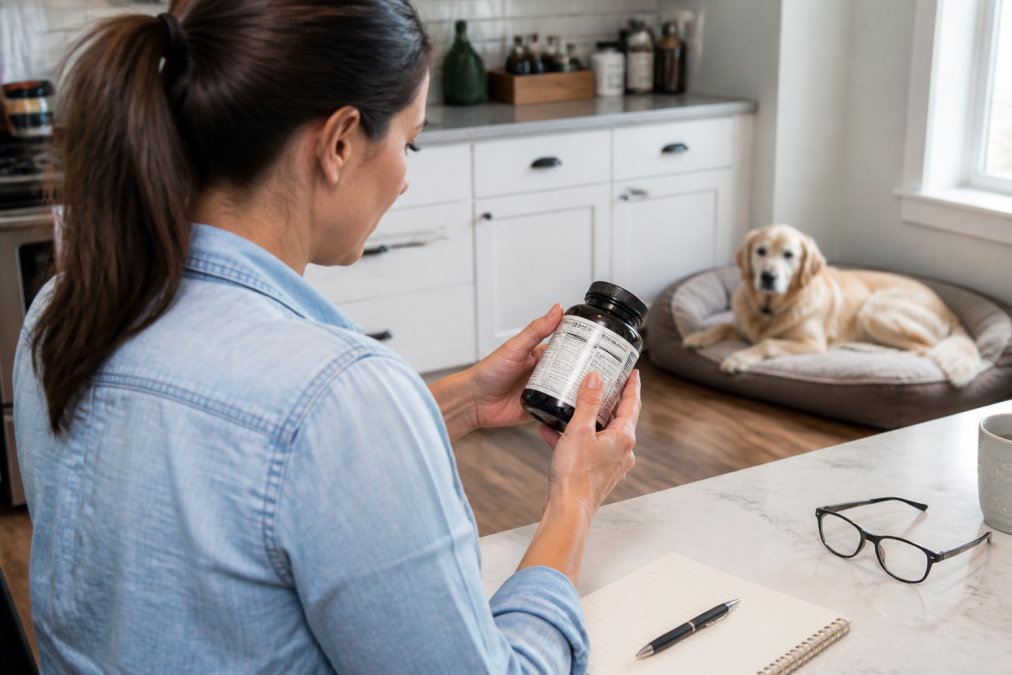
Specialized retailers often carry products tested by independent labs to verify ingredient accuracy and purity. Look for certifications from:
- NSF Certified for Sport, Indicates testing for banned substances and label accuracy
- AAFCO Certification, Indicates the product meets Association of American Feed Control Officials standards
- USP Verified, Indicates the product contains the ingredients listed in the amounts claimed
Check the ingredient list with the same scrutiny you'd apply to your own supplements. Does it contain fillers? What's the active ingredient concentration? Is it from a reputable source? Are there any ingredients your pet is allergic to?
Step 5: Match Your Pet's Diagnosis to Appropriate Products
A dog with kidney disease needs products formulated for kidney health, specifically, products with controlled phosphorus and sodium levels. A cat with diabetes needs different nutritional support than a healthy cat. Specialized retailers maintain veterinary diet categories and can help match your pet's diagnosis to appropriate products.
Step 6: Start with a Trial Period and Track Results
Most supplements require 4-6 weeks of consistent use before you'll see measurable results. Keep notes on your pet's symptoms before starting, changes you observe, any side effects, and whether your pet tolerates the product well. Specialized retailers can review this information and adjust recommendations if needed.
Pet Health Product Safety Standards and Quality Assurance
Safety standards separate specialized retailers from big-box operations in ways that aren't always visible.
Prescription medications require veterinary approval at specialized retailers. Chewy Pharmacy, Allivet, and VetRxDirect all maintain systems to verify that a prescription is valid before dispensing. Target doesn't handle prescriptions.
Over-the-counter supplements operate in a different space. The FDA's guidance on animal health products establishes baseline standards, but enforcement is limited. Specialized retailers add quality assurance steps by verifying ingredient sourcing and confirming manufacturing practices.
Ingredient transparency matters more than most pet owners realize. A "chicken meal" in a big-box pet product might be sourced from any number of facilities. A specialized retailer can often tell you the specific source and processing method. For pets with allergies or sensitivities, this level of detail prevents trial-and-error shopping.
Batch testing and recall responsiveness are also differentiators. When a specialized retailer becomes aware of a potential quality issue, they can respond quickly because they maintain direct relationships with manufacturers. They know which batches are affected and can contact customers.
Online Specialty Retailers vs. Brick-and-Mortar Big-Box Experiences
Online specialty retailers like Chewy Pharmacy, Allivet, and VetRxDirect offer convenience that big-box stores can't match. You can research products at your own pace, read detailed ingredient information, and make purchases without leaving home.
Subscription models available through specialized retailers add another layer. AutoShip programs let you set up recurring deliveries of medications or supplements your pet needs regularly. Big-box stores offer no equivalent.
Customer service quality differs significantly. Specialized retailers staff their support teams with people who understand pet health products. Chewy Pharmacy offers 24/7 live vet assistance. VetRxDirect's staff clarifies prescriptions with veterinarians directly. Big-box customer service handles returns and complaints but can't answer technical questions about product formulations.
Brick-and-mortar big-box stores do offer one advantage: immediate availability. If you need a product today, Target has it now. Specialized online retailers typically ship within 1-3 business days.
| Shopping Factor | Specialized Retailers | Big-Box Stores |
|---|---|---|
| Veterinary-grade verification | Yes | No |
| Prescription handling | Yes | No |
| Subscription/AutoShip | Yes | No |
| Ingredient transparency | High | Limited |
| Expert customer support | Yes | Limited |
| Immediate availability | No | Yes |
| Supply chain documentation | Yes | No |
The choice depends on your situation. For routine pet care items, big-box convenience works fine. For health-specific products, specialized retailers offer advantages that matter.
Expert Consultation and Personalized Health Recommendations
This is where specialized retailers create the most value for pet owners managing actual health conditions.

Personalized recommendations from specialized retailers go beyond what big-box stores attempt. When you contact VetRxDirect about a prescription, their staff doesn't just process the order. They clarify the prescription with your veterinarian, confirm dosage accuracy, and catch potential issues before they become problems.
Chewy Pharmacy's 24/7 vet assistance means you can ask questions about whether a product is appropriate for your pet's specific situation. A big-box employee can't answer "Is this supplement safe for a dog on blood pressure medication?" A specialized retailer's vet can.
The personalization extends to ongoing support. Many specialized retailers track your pet's order history and can make recommendations based on what you've purchased before. Big-box stores can't offer this because they don't maintain customer health histories.
Building Long-Term Pet Wellness Through Specialized Sourcing
Pet wellness isn't a single purchase. It's a series of decisions over months and years as your pet ages and health needs evolve.
Specialized retailers support this long-term perspective. They maintain product consistency, so when you find a supplement that works for your dog, you can reliably reorder it. They track ingredient changes and notify customers if formulations shift. They build relationships with customers managing chronic conditions, learning what works and adjusting recommendations accordingly.
WellnessLifeClub74 approaches pet health products with this same commitment to consistency and transparency. Our curated collections are chosen because they deliver measurable results for the specific health conditions pet owners face.
The real question isn't whether specialized retailers are "better" than big-box stores in some absolute sense. It's whether you're buying a pet product or a pet health solution. For routine items, toys, treats, and basic supplies, big-box convenience works fine. For specialized pet health products addressing real health conditions, the difference is substantial. Specialized retailers offer veterinary-grade verification, supply chain transparency, expert consultation, and personalized recommendations.
Your pet's health deserves the approach that matches the stakes. When arthritis, allergies, anxiety, or other conditions are involved, specialized sourcing is the practical choice.
Frequently Asked Questions
What makes specialized pet health product retailers better than big-box stores?
Specialized retailers focus exclusively on pet wellness, offering veterinary-recommended products with verified sourcing and supply chain transparency. They provide expert staff guidance, personalized health consultations, and curated collections designed for specific pet conditions, unlike big-box stores that stock limited pet health inventory alongside unrelated products. This specialization ensures higher product quality assurance and access to prescription medications, compounded treatments, and premium supplements tailored to individual pet needs.
How do I verify that specialized pet health products meet safety standards?
Look for products that comply with FDA regulations for animal health products and those formulated by veterinarians. Reputable specialized retailers display ingredient transparency, source verification, and third-party testing documentation. Check for veterinary-grade certifications and read customer reviews that specifically mention product effectiveness and safety. Ask retailers about their quality assurance processes and supply chain reliability, legitimate specialists can trace products from manufacturer to your door.
Are online specialty pet pharmacies reliable for prescription medications?
Yes, when they require valid veterinary prescriptions and work directly with your veterinarian. Established online specialty pet pharmacies like Chewy Pharmacy, Allivet, and VetRxDirect offer fast shipping, competitive pricing, and customer service support. Many provide AutoShip options for recurring medications and handle prescription approval processes directly with your vet. Read reviews and verify they're licensed pharmacies before ordering prescription items for your pet.
What should I look for when choosing a high-quality pet supplement supplier?
Prioritize suppliers offering veterinarian-formulated supplements with published ingredient lists and third-party testing results. Check for supply chain transparency, customer loyalty programs, and personalized health consultations. Compare retailers based on product sourcing practices, return policies, and customer service responsiveness. Specialty retailers that address specific pet dietary restrictions and provide expert guidance outperform mass-market options that lack product curation and ingredient verification.
Choosing where to source specialized pet health products shapes your pet's health outcomes over years. WellnessLifeClub74 connects pet owners with curated, verified products designed for specific health needs, backed by supply chain transparency and expert guidance. Browse our specialized pet health collections today and discover products formulated for your pet's actual condition, not just generic wellness claims.
This article was written using GrandRanker