Table of Contents
- Understanding Common Dental Instruments and Their Functions
- FDA-Cleared Dental Tools for At-Home Use
- How to Sanitize Dental Instruments Safely
- Safe Use of Dental Scalers at Home
- Material Quality and Durability Standards
- Choosing Tools Based on Your Oral Health Needs
- Frequently Asked Questions
Last Updated: August 31, 2026
Understanding Common Dental Instruments and Their Functions
Dental tools fall into three main categories: diagnostic instruments that help you see what's happening in your mouth, cleaning instruments that remove plaque and tartar, and restorative tools used by professionals. Knowing the difference helps you choose the right ones for your routine.
Diagnostic Tools: Mirrors and Explorers
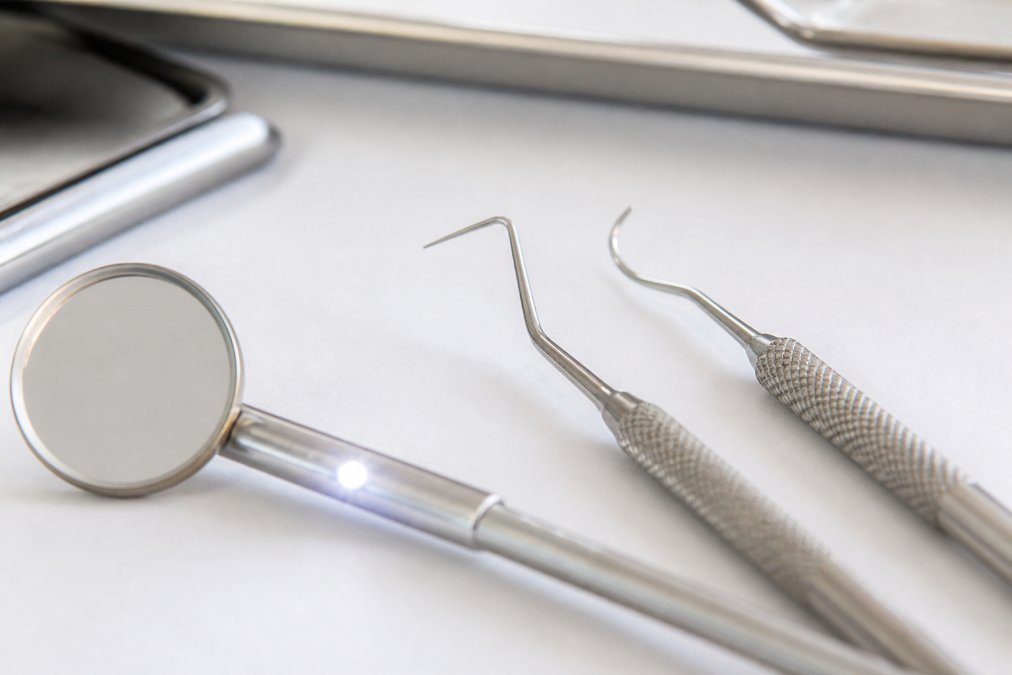
A dental mirror is your window into hard-to-see areas of your mouth. For better results, look for mirrors with integrated LED lighting and anti-fog coating. The ProfessionalSmile Mirror, for example, includes 3x magnification and integrated LED illumination, making it significantly easier to spot debris, discoloration, or early signs of decay.
An explorer is a thin, pointed instrument designed to detect cavities and deposits on tooth surfaces. The sickle probe is a variant with a curved tip, specifically useful for checking along the gum line where plaque accumulates.
When selecting a diagnostic tool, prioritize visibility first. Look for stainless steel construction, which resists corrosion and is easier to sterilize. The DenTek Advanced Clean Professional Oral Care Kit includes both a mirror and explorer, making it a practical starting point if you're new to at-home dental care.
Scaling and Cleaning Instruments
A dental scaler features a thin, sharp tip designed to break away deposits without damaging enamel when used correctly. The periodontal scaler is specifically angled for subgingival work (below the gum line), where bacteria and inflammation tend to concentrate.
The ultrasonic scaler represents newer technology, using vibration rather than manual scraping. These devices are gentler on gums and more effective at removing deposits, though they require careful technique to avoid tissue damage.
At-home scaling requires caution. Manual scalers in kits like the CVS Dental Tool Kit are affordable but demand steady hands and knowledge of proper angles. A common mistake is applying too much pressure, which can damage gum tissue or scratch enamel.
For a safer at-home alternative, consider a water flosser like the Waterpik Aquarius, which uses pulsating water pressure to clean between teeth and below the gum line. It's clinically proven to remove plaque effectively and works well for people with braces, implants, or sensitive gums. The 10 pressure settings let you start gentle and increase intensity as you become comfortable.
Restorative Tools and Handpieces
Restorative tools are primarily used by dental professionals to fill cavities and repair teeth. The dental handpiece (commonly called a dental drill) is a high-speed rotary instrument that removes decay and is not appropriate for at-home use.
For at-home care, focus on prevention and maintenance rather than restoration. An electric toothbrush like the Philips Sonicare 4100 Series delivers 31,000 brush strokes per minute, far more than manual brushing can achieve (the American Dental Association). The pressure sensor prevents over-brushing, which is important because aggressive brushing damages gum tissue over time.
FDA-Cleared Dental Tools for At-Home Use
The FDA distinguishes between professional-grade instruments and consumer devices cleared for at-home use. FDA-cleared at-home devices include electric toothbrushes, water flossers, and UV sanitizers. These have undergone testing to demonstrate safety and efficacy for consumer use.
Manual scaling tools like picks and curettes exist in a gray zone. They're sold at retailers but require careful technique to avoid injury. When evaluating what to look for in dental tools, always check for FDA clearance if the product makes health claims. WellnessLifeClub74 curates tools that balance innovation with safety, prioritizing products backed by clinical evidence or professional endorsement.
How to Sanitize Dental Instruments Safely
Sterilization and proper sanitization separate effective at-home care from practices that introduce infection risk.
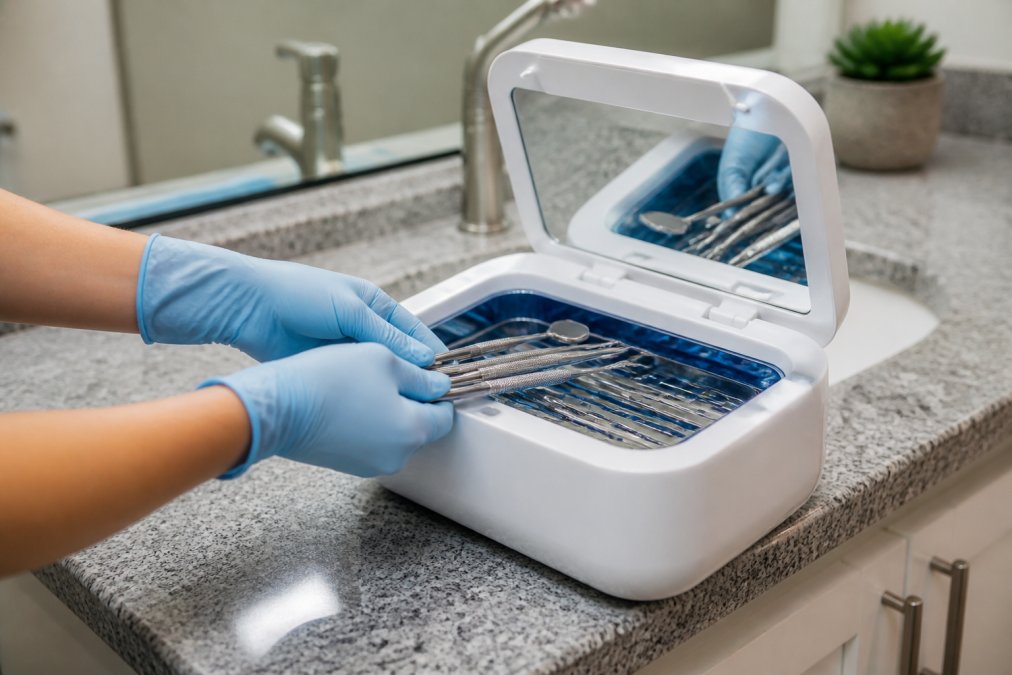
Sterilization Methods and Best Practices
True sterilization kills 100% of microorganisms, including bacterial spores. Professional autoclaves achieve this using high-pressure steam at 121°C for 15-20 minutes (the CDC). Sanitization is more practical for home use, reducing microorganisms to safe levels without achieving complete sterilization.
UV-C light sanitizers eliminate 99.9% of bacteria, viruses, and fungi on toothbrush bristles in about 10 minutes (peer-reviewed research). The LaserGlow UV Toothbrush Sanitizer uses dual UV-C and UV-A wavelengths for comprehensive coverage. The Steripod UV Light Home Countertop Toothbrush Sanitizer holds up to four brush heads and includes a smart sensor that stops the cycle automatically.
For metal instruments like scalers and mirrors, wash with hot soapy water immediately after use, dry completely with a clean cloth, and store in a clean, dry container. Many dental tools are dishwasher-safe. Replace tools every 6-12 months depending on wear.
The storage environment matters as much as the cleaning method. A perfectly sanitized tool stored in a damp bathroom cabinet will re-colonize with bacteria within days. Keep tools in a dry, ventilated space. If you share a bathroom, individual storage containers prevent cross-contamination.
Safe Use of Dental Scalers at Home
Using a dental scaler at home requires understanding proper technique and recognizing when to stop. Start by identifying what you're trying to remove. Visible plaque is soft and can be removed with a toothbrush or water flosser. Calculus is hard and doesn't respond to brushing.
The proper angle for a scaler is roughly 45 degrees to the tooth surface, with the tip pointed slightly below the gum line. The motion should be short and controlled, working away from the gum tissue, never toward it. Aggressive scrubbing causes gum recession, which is permanent.
A common mistake is using scalers on visible tartar below the gum line. This area requires professional expertise. Stick to visible surfaces above the gum line. If you experience bleeding, pain, or swelling after using a scaler, stop immediately.
Many practitioners recommend skipping manual scalers entirely and using a water flosser instead. The Waterpik Aquarius offers similar plaque removal benefits with lower injury risk and is clinically proven effective.
Material Quality and Durability Standards
The materials used in dental tools directly affect their safety, longevity, and effectiveness. Look for surgical-grade stainless steel (316L or 316 stainless steel) in at-home tools. This alloy resists rust and degradation better than lower grades.
For electric devices like toothbrushes and water flossers, durability depends on motor quality and battery design. The Philips Sonicare 4100 Series uses a brushless motor that lasts longer than brushed motors. Bristle material matters in toothbrushes, most dentists recommend soft or medium bristles.
For mirrors and explorers, look for tools with smooth, polished surfaces. The mirror coating should be durable; cheap mirrors fog easily. When evaluating durability, consider the warranty and replacement costs. WellnessLifeClub74 prioritizes products with solid construction and reasonable lifespans, helping you invest in tools that actually last.
Choosing Tools Based on Your Oral Health Needs
Your specific oral health situation determines which tools matter most. If you have sensitive gums or early signs of gingivitis, prioritize gentle tools. A water flosser like the Waterpik Aquarius is ideal because it cleans effectively without trauma.
For people with braces or implants, water flossers are almost essential. String floss gets tangled around brackets, and manual scalers can damage the appliance or implant surface. The Waterpik includes specialized tips for braces and implants.
If you have crowded teeth or tight contacts, a water flosser works better than string floss. The Oral-B Glide Dental Floss (made from PTFE monofilament) also glides more easily than standard nylon floss.
For people with heavy tartar buildup, professional cleaning is necessary. At-home scalers might remove surface deposits, but subgingival calculus requires professional instruments and expertise.
If bad breath is your main concern, add a tongue scraper to your routine. A stainless steel tongue scraper removes bacteria and debris that cause odor. Using it daily is more important than the specific tool.
For general maintenance and prevention, the essentials are a soft electric toothbrush, a water flosser or traditional floss, and a UV sanitizer for your toothbrush.
Maintaining oral health at home requires the right tools and the knowledge to use them safely. The best dental tools are ones you'll actually use consistently, paired with proper technique and sterilization. WellnessLifeClub74 offers curated collections of proven at-home dental care products, from electric toothbrushes to sanitizers, designed to support your routine between professional visits. Explore our selection of trending health and beauty tools to find the specific instruments that match your oral health needs, and experience the convenience of quality products delivered to your door.
| Tool Type | Best For | Key Feature | Sterilization Method |
|---|---|---|---|
| Electric Toothbrush | Daily cleaning, plaque removal | Pressure sensor, 2-minute timer | Rinse and air dry |
| Water Flosser | Braces, implants, sensitive gums | Pulsating water pressure, 10 settings | Rinse reservoir, air dry |
| Manual Scaler | Visible tartar removal | Sharp stainless steel tip | Wash, dry, UV sanitizer |
| Dental Mirror with LED | Visualization, cavity detection | 3x magnification, anti-fog coating | Wash, dry, UV sanitizer |
| Tongue Scraper | Bad breath reduction, oral hygiene | Stainless steel construction | Rinse and air dry |
| UV Sanitizer | Toothbrush sanitization | 99.9% microorganism reduction | Electrical outlet required |
Frequently Asked Questions
How can I tell if a dental tool is high-quality?
High-quality dental tools are made from medical-grade stainless steel that resists corrosion and maintains a sharp edge. Look for tools with ergonomic handles that provide grip control, smooth surfaces without burrs or rough edges, and proper weight balance. Check if the manufacturer provides sterilization instructions and whether the tools are FDA-cleared or cleared for consumer use. Reputable brands clearly label their materials and include usage guidelines. Tools should feel durable and precise, cheap alternatives often have flimsy handles or dull edges that make them ineffective and potentially harmful.
What materials are safe for home dental care tools?
Medical-grade stainless steel is the safest material for at-home dental tools because it's durable, corrosion-resistant, and can be sterilized without degrading. Avoid tools made from low-grade metals or plastic that may leach chemicals or harbor bacteria. Stainless steel explorer tips, scalers, and mirrors are all standard in professional dentistry and safe for home use when handled correctly. Some tools include silicone or rubber components for grip comfort, which is acceptable as long as the working surfaces are stainless steel. Always verify that materials don't contain harmful coatings or finishes.
Are there FDA regulations for personal dental hygiene tools?
Yes, the FDA regulates dental devices, including consumer-grade oral care tools. Tools like electric toothbrushes, water flossers, and some manual dental instruments must meet safety and efficacy standards. FDA-cleared products have undergone testing to ensure they don't harm soft tissue or tooth enamel. However, not all at-home dental tools require FDA clearance, basic items like dental mirrors and picks fall into a lower regulatory category. When shopping, look for products labeled as FDA-cleared or FDA-approved, and check the manufacturer's claims about safety. Always follow usage instructions to avoid injury.
What is the difference between professional and consumer-grade dental tools?
Professional-grade dental tools are designed for dentists and hygienists and often have sharper, more precise tips, higher-quality stainless steel, and specialized designs for clinical use. Consumer-grade tools are modified for safety, they typically have duller tips to reduce injury risk, shorter handles for better home use control, and simplified designs. Professional tools require training to use without harming gums or enamel, while consumer tools are engineered to be safer for untrained hands. Both can be effective for supplemental oral care, but consumer-grade tools prioritize safety over aggressive plaque removal. Always choose tools explicitly marketed for at-home use.
How should I sanitize my home dental tools?
Rinse your dental tools thoroughly with warm water and mild soap immediately after use to remove food particles and bacteria. For deeper sanitization, soak tools in 70% isopropyl alcohol for 10 minutes, then rinse and air-dry on a clean cloth. If your tools are autoclavable (check the manufacturer's instructions), you can sterilize them in a home autoclave or have them sterilized at a dental office. UV-C sanitizers designed for toothbrushes can also reduce microorganisms on some tools. Store cleaned tools in a dry, antimicrobial case to prevent contamination. Never share dental tools with others, as this spreads bacteria and viruses.
Can I use professional dental tools at home safely?
Professional dental tools can cause gum damage, enamel erosion, or infection if used incorrectly at home. While the materials are safe, the technique requires training. Consumer-grade tools are specifically designed with safety features like rounded tips and shorter handles to minimize injury risk. If you want professional-level results, scheduling regular cleanings with a dentist is safer and more effective than attempting professional techniques yourself. Supplemental at-home tools should be limited to those marketed for consumer use, such as scalers with safety guards or gentle explorers designed for self-inspection.
What should I avoid when selecting dental tools?
Avoid tools made from cheap metals that corrode or dull quickly, as they become ineffective and may scratch enamel. Skip tools without clear usage instructions or safety warnings, as these indicate poor quality control. Don't buy tools from sellers who can't verify sterilization methods or material composition. Avoid overly sharp or aggressive tools designed for professional use, as these risk gum injury. Steer clear of tools claiming to replace professional dental care, they're supplements only. Finally, avoid sharing tools with family members, as this spreads oral bacteria and infections between people.
FDA guidance on dental devices and consumer safety
American Dental Association recommendations for at-home oral care
Journal of Dental Research on water flosser effectiveness
This article was written using GrandRanker